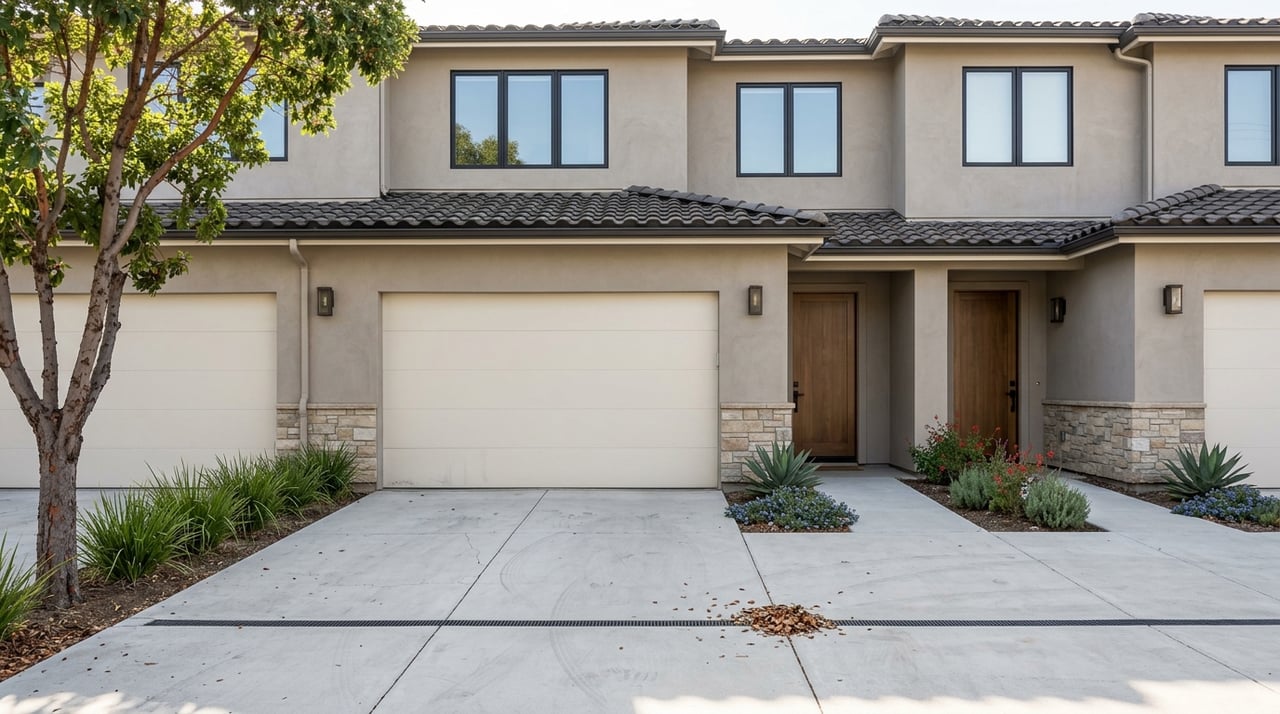
Campbell Condo & Townhome Buying Guide: What to Know
If you are thinking about buying a condo or townhome in Campbell, it is easy to assume the process will be simpler than buying a single-family home. In reality, attached-home purchases come with a few extra layers, especially around HOA rules, shared expenses, and what you actually own. The good news is that with the right questions and careful document review, you can make a confident decision that fits your budget, commute, and daily lifestyle. Let’s dive in.
One of the biggest mistakes buyers make is assuming a property is legally a condo or a townhome based on how it looks. In California, townhome describes the style of the home, not necessarily the legal ownership structure.
A townhome in Campbell might legally be a condominium or a planned development. That difference matters because it affects what you own directly, what the HOA controls, and who is responsible for certain repairs and common areas.
In a condominium, you typically own your separate unit and share an undivided interest in the common area. In a planned development, the HOA may own or maintain shared features and still have the power to collect dues and enforce rules. Even a home that looks detached can still be part of a common interest development.
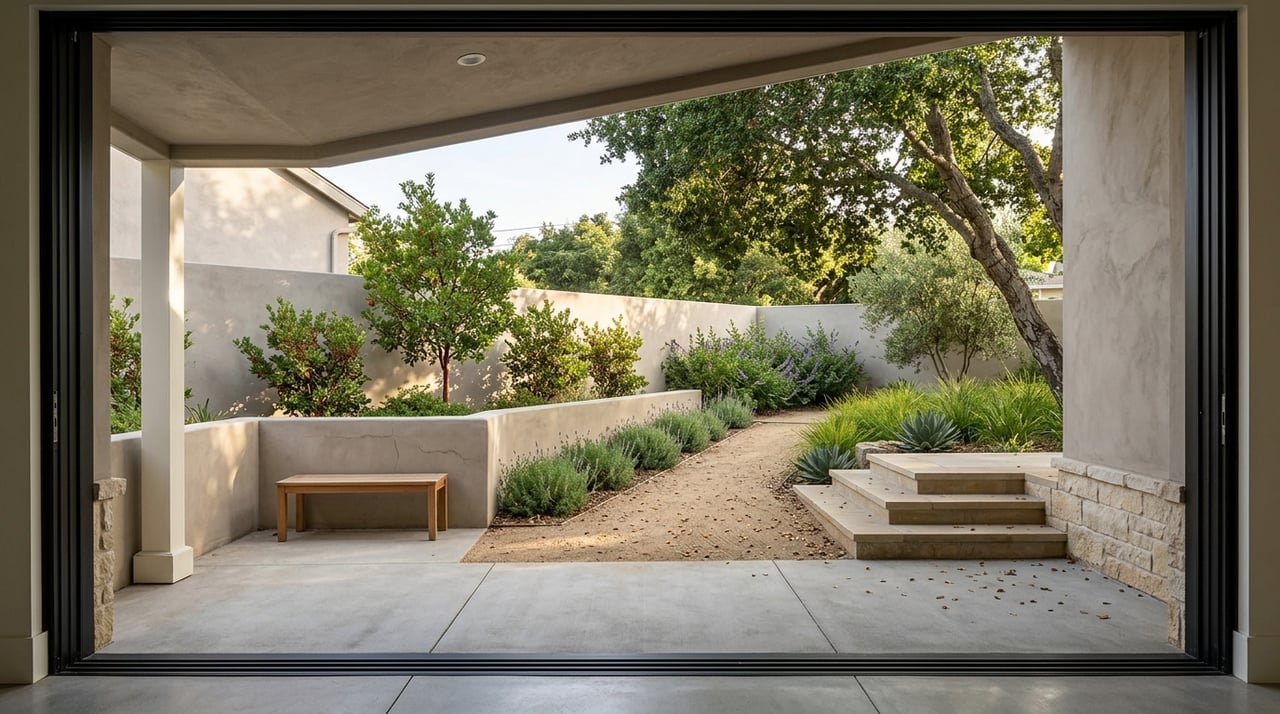
The deed, CC&Rs, and other governing documents tell you far more than listing photos ever will. If a property has a private patio, balcony, driveway, or parking spot, your rights to use that space may depend on how it is defined in those documents.
That is why it is important to read the legal paperwork instead of relying on appearance. What looks like private space may actually be exclusive-use common area, which can come with different maintenance rules and HOA oversight.
When you buy into a common interest development in Campbell, HOA membership usually transfers automatically with title. That means you are not just buying a home. You are also stepping into a shared system of dues, rules, maintenance responsibilities, and board governance.
The HOA board typically collects assessments, maintains common areas, and enforces the governing documents. Depending on the community, that could include private streets, recreation areas, clubhouses, pools, or other shared improvements.
HOA dues often help pay for:
What dues cover can vary a lot from one community to another. Two Campbell properties with similar price points may have very different monthly costs and very different levels of HOA responsibility.
Before you make an offer, pay close attention to the HOA’s financial health. This is one of the most important parts of buying a condo or townhome because a low monthly due is not always a sign of a strong community.
California requires useful disclosure materials in a resale common interest development. The seller must provide governing documents, the most recent annual budget report, a statement of assessments and unpaid fees, unresolved violation notices, any approved but not-yet-due fee changes, rental restrictions if any, and the most recent inspection report required by Civil Code Section 5551. If requested, board minutes from the prior 12 months must also be provided.
The annual budget report can tell you a lot about the condition and planning of the association. It must include items such as:
If the property is a condominium, the report must also disclose FHA and VA project status. That can be especially important if you are planning to use financing that depends on project approval.
Healthy reserves can help an HOA plan for major future repairs without putting sudden pressure on owners. If reserves are weak, or if major repairs have been delayed, you may face a higher risk of special assessments later.
That does not automatically mean the community is a bad fit. It does mean you should understand the numbers clearly before moving forward.
Insurance is another area where buyers sometimes make assumptions. The HOA’s insurance summary is helpful, but it is not the same as reading the actual policy details.
The association’s coverage may not protect every owner improvement, and it may not fully address deductibles in the way you expect. You will want to understand where the HOA’s responsibility ends and where your future responsibility begins.
For any condo or townhome in Campbell, ask clear questions about maintenance responsibility. Focus on these areas:
This matters because the answer is not universal. The governing documents control who maintains what.
In Campbell condo and townhome communities, parking and storage can be just as important as square footage. If you need space for bikes, seasonal items, or a second vehicle, you should verify those details early.
Parking spaces, driveways, patios, balconies, and yards may be deeded, assigned, or treated as exclusive-use common area. The same practical approach applies to storage lockers or other bonus spaces.
A listing may show a garage, driveway, or storage area, but the legal documents tell you what rights actually transfer with the property. Before you remove contingencies, make sure you understand:
These details can have a real impact on day-to-day convenience.
Some buyers want flexibility for the future, even if they plan to live in the property right away. If that sounds like you, review the community rules carefully.
California resale disclosures may include rental restrictions if any apply. That means you can learn whether the HOA limits leasing, imposes caps, or has other rules that could affect your future plans.
This is also a good time to review any unresolved violation notices or approved fee changes that are not yet due. Those items can signal issues you may want to discuss before moving forward.
Campbell offers a range of attached-home settings, and location can shape your experience just as much as the property itself. The city has official area plans for Downtown, East Campbell, Winchester, San Tomas, and Campbell Village.
City planning also points to housing opportunity sites around transit centers and includes transit-oriented development planning for Downtown and the Winchester Light Rail Station. For buyers who value convenience, that can be a useful clue when narrowing your search.
Downtown Campbell is described by the city as the historic heart of Campbell and an active, walkable central business district. The downtown plan also notes that residential uses are close to commercial and transportation services, with light rail helping connect the area to San Jose and beyond.
If you want an attached home with easier access to shops, dining, and transit, this part of Campbell may deserve a closer look. East Campbell can also be relevant, especially since city planning there addresses pedestrian access, on-street parking, and movement along a constrained corridor that connects Downtown and the Pruneyard area.
Campbell sits near Highways 85 and 17, the county expressway system, and VTA light rail. Campbell-area VTA stations include:
Based on the city’s planning emphasis, it is reasonable to expect more transit- and walkability-oriented attached housing near Downtown, East Campbell, and the Winchester corridor. Still, each property should be evaluated individually, since that is not a universal rule for every part of Campbell.
A condo or townhome purchase usually goes more smoothly when you ask detailed questions early. This helps you compare communities more accurately and avoid surprises after you are under contract.
Here are some of the most useful questions to ask:
Buying a condo or townhome in Campbell can be a great option if you want a lower-maintenance lifestyle, a more connected location, or a price point that opens the door to homeownership in Silicon Valley. The key is understanding that you are buying into both a home and a shared legal and financial structure.
When you take time to review the HOA documents, confirm maintenance responsibilities, and compare locations within Campbell, you put yourself in a much stronger position. If you want local guidance as you compare communities, review disclosures, and narrow down the right fit, Ana Pace can help you move forward with clarity and confidence.
Stay up to date on the latest real estate trends.
Get assistance in determining current property value, crafting a competitive offer, writing and negotiating a contract, and much more. Contact me today.
ANA PACE | CA DRE# 01940309
410 N SANTA CRUZ AVE LOS GATOS, CA 95030