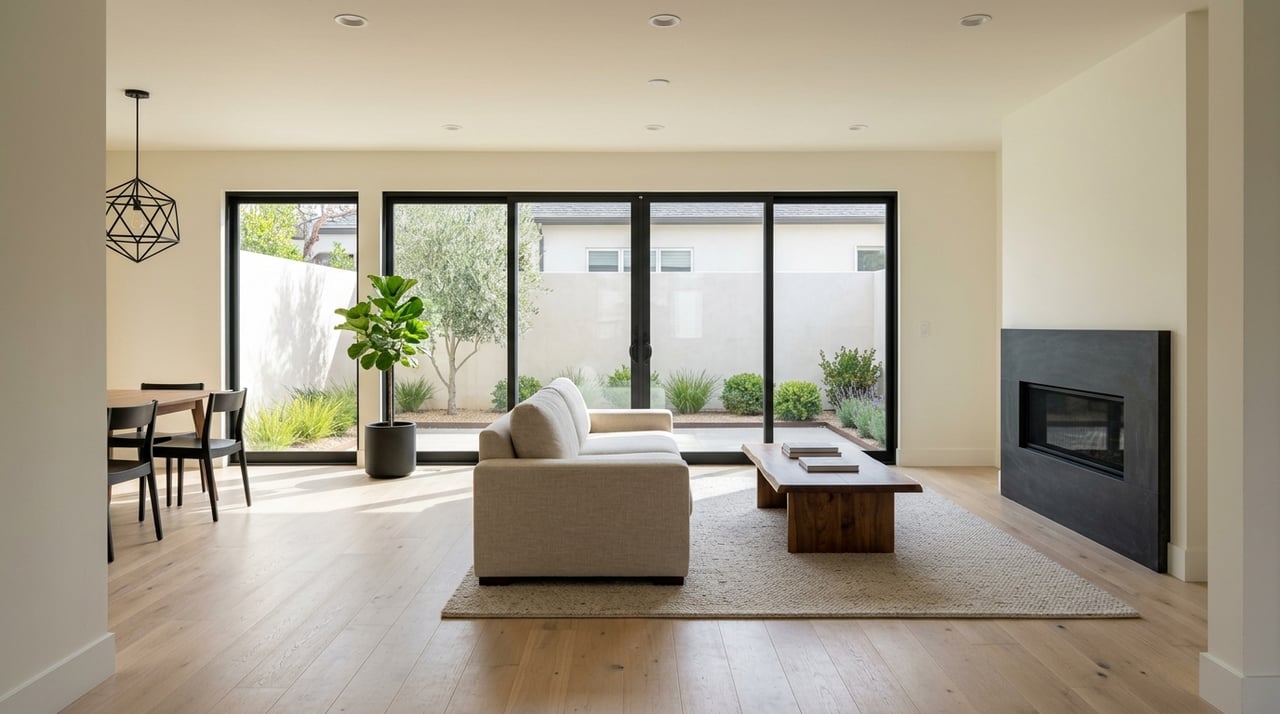
Your Step-by-Step Guide to Selling a Home in Los Gatos
Selling a home in Los Gatos can feel simple from the outside, but the details matter. Between pricing, prep work, disclosures, permit history, and wildfire-related paperwork, a smooth sale usually starts well before your home hits the market. This guide walks you through each step so you can plan ahead, avoid common delays, and move forward with confidence. Let’s dive in.
Los Gatos remains an active market, but it is not moving at a breakneck pace. In the Santa Clara County Association of REALTORS June 2026 snapshot, single-family homes in Los Gatos averaged 43 days on market, reached a median sale price of $3.089 million, and sold for 98% of list price. Condos and townhomes averaged 34 days on market, with a median sale price of $1.4 million.
For you as a seller, that means timing and presentation still matter. Buyers are active, but they are also comparing options carefully. A strong launch with complete prep, polished marketing, and organized disclosures can help you protect momentum in the first days on market.
One of the smartest first moves is building a complete property file. Start collecting permits, contractor invoices, warranties, receipts, manuals, and any prior inspection reports. Having these ready can save time later and make buyer questions easier to answer.
This step is especially important in Los Gatos because buyers may ask about additions, remodels, garage conversions, or ADU work. The Town of Los Gatos allows the public to search building permit history online from 1994 forward, and older records may be available at the counter. If your home has a long ownership history, it is worth checking the town records before listing.
If your home was built before 1941, pay extra attention. The town considers homes built before 1941 historic by local law, and exterior changes require permission and permits. If your property is older, reviewing past exterior work early can help you spot issues before they become a closing problem.
California now requires more specific disclosure of certain work completed on single-family homes. For offers accepted on or after July 1, 2024, sellers must disclose room additions, structural modifications, other alterations, and repairs performed by a contractor. If you have permits for that work, you must provide a copy to the buyer.
That does not mean every past project will stop a sale. It does mean you should understand what was done, what documentation you have, and where there may be gaps. If any work was partly permitted or you are unsure about the history, it is better to identify that early and discuss how to present it clearly.
Your listing agent helps shape pricing, preparation, disclosures, marketing, and negotiations. The California Department of Real Estate advises sellers to interview several agents, verify licensing, and choose someone with local experience. In a market like Los Gatos, local knowledge can matter a lot when buyers compare location, property condition, and monthly ownership costs.
A good listing strategy is not only about posting your home online. It is also about understanding how your property fits the local market, what buyers may ask about, and how to prepare for those questions before they slow down the deal.
Pricing should start with comparable local sales. The California Department of Real Estate advises sellers to base the asking price on comparable sales and to account for special taxes, assessments, and HOA dues that may affect value and monthly cost.
In Los Gatos, pricing often depends on more than square footage alone. Buyers may compare commute convenience, property condition, lot utility, and whether a home is part of an HOA. A realistic price backed by local data can attract stronger interest and help you avoid the need for price reductions later.
The first week on market is valuable. Because Los Gatos single-family homes averaged 43 days on market in June 2026, sellers often benefit from using that first week for showings and buyer activity, not for unfinished repairs or missing paperwork.
Try to front-load the main prep items before launch, including:
If your home is in the foothills, older, or part of an HOA, build in extra time. Those properties often need more coordination and more paperwork than sellers expect.
California sellers should expect several key disclosure requirements. Common items include the Transfer Disclosure Statement, the Natural Hazard Disclosure Statement, and the seller’s agent visual inspection disclosures. The California Department of Real Estate also notes that disclosures may cover special taxes and assessments.
This is one area where being early helps. If a required disclosure is delivered after the offer is accepted, California law can give the buyer a right to cancel within a short time frame. Preparing the disclosure package before your listing goes active can reduce that risk and keep the transaction on steadier ground.
Wildfire risk is a real local issue in Los Gatos, especially in foothill areas. The Town of Los Gatos notes that southern Los Gatos is in a Very High Fire Hazard Severity Zone and identifies late summer through fall as peak fire season.
If your property is in a high or very high fire hazard severity zone, California requires additional attention. A seller must provide documentation showing compliance with defensible-space rules or local vegetation-management ordinances. If that documentation has not been obtained, buyer and seller must enter into a written agreement for the buyer to obtain compliance documentation after closing, subject to the legal timeline.
There may also be a separate fire-hardening disclosure requirement for homes in high or very high fire hazard severity zones that were built before January 1, 2010. If your home falls into that category, it is wise to start reviewing the requirement early so your listing package is complete.
Older Los Gatos homes can attract strong buyer interest, but they often come with extra paperwork. If your home was built before 1978, federal law requires lead-based paint disclosure. Sellers must disclose known lead information, provide available records and reports, and allow the buyer a 10-day inspection period for lead risk.
If your home is also pre-1941, remember the local historic-home rule for exterior changes. Even if improvements were made years ago, buyers may still ask how exterior work was approved. The sooner you review your records, the easier those conversations become.
If your home is part of a homeowners association, plan ahead for association paperwork. California requires sellers of HOA properties to provide the required association documents as soon as practicable before transfer of title or before execution of the sales contract.
In practical terms, that means you should not wait until the last minute. HOA document packages can take time to request and process, and any delay can interrupt your listing timeline or contract review period.
Once offers come in, it is important to look at the full picture. The highest price is not always the strongest offer. The California Department of Real Estate notes that buyers commonly include inspection and financing contingencies, and those terms can affect how likely the sale is to close smoothly.
As you compare offers, pay attention to:
Clean paperwork matters too. The California Department of Real Estate advises buyers and sellers to review offers carefully, make sure contingencies are clearly stated, and avoid blank spaces in the contract.
In California, escrow is handled through a neutral third party. The California Department of Real Estate notes that escrow is commonly handled by title companies in Northern California, though independent escrow companies are also used.
During this stage, you will sign closing documents, respond to any final requests, and prepare for the buyer’s final walk-through. This is also when organized records can help, especially if the buyer asks again for permit proof or clarification about past work.
In Santa Clara County, the documentary transfer tax is $0.55 per $500 of value. The county also requires a completed Preliminary Change of Ownership Report for agreements of sale and contracts of sale affecting real property.
For Los Gatos sellers, it also helps to remember that public records and permit information may come up during escrow. The town points the public to records requests and the permit system, and the permit search allows public review of pending and issued building permits from 1994 forward. If a buyer asks for confirmation on past work, you will be glad you checked this before listing.
If you are balancing work, family, and a move, break the process into a few focused blocks. That can make the sale feel much more manageable.
A practical timeline often looks like this:
Use this stage to gather permits, warranties, receipts, HOA information, and contractor details. This is also the time to get repair quotes and review any questions about older work or fire-zone compliance.
Use this stage for cleaning, repairs, staging, photography, and video. Your goal is to have the home and paperwork ready before the first showing.
Once the home goes live, focus on keeping it show-ready and reviewing offers carefully. If your prep work is complete, this period usually feels much smoother.
Los Gatos buyers are often thoughtful and detail-oriented. They may ask about remodel history, wildfire exposure, HOA rules, monthly carrying costs, and whether work was properly permitted. When your answers are ready, your sale tends to feel more confident and less reactive.
That is true for every home, but especially for foothill properties, older homes, and luxury listings where due diligence tends to be more thorough. In an active market, preparation helps you protect value and reduce avoidable surprises.
If you are thinking about selling in Los Gatos and want a clear, step-by-step plan tailored to your home, Ana Pace can help you prepare, price, and launch with confidence.
Stay up to date on the latest real estate trends.
Get assistance in determining current property value, crafting a competitive offer, writing and negotiating a contract, and much more. Contact me today.
ANA PACE | CA DRE# 01940309
410 N SANTA CRUZ AVE LOS GATOS, CA 95030