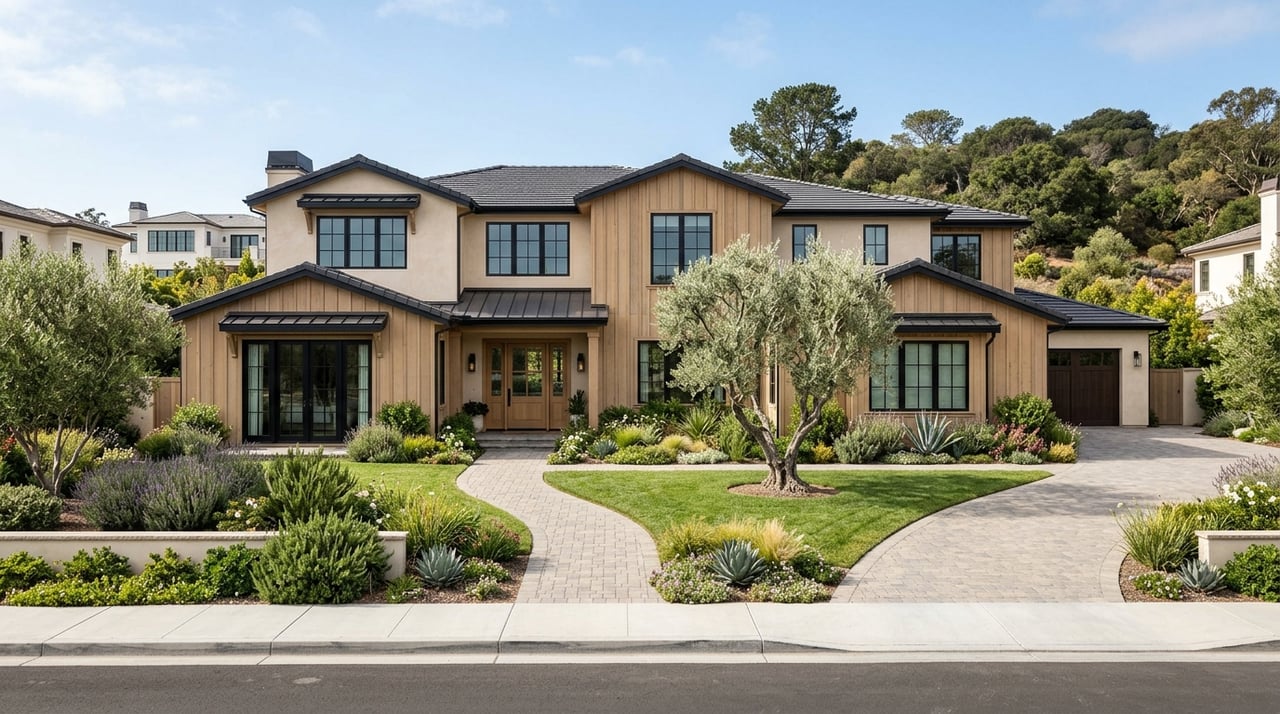
Saratoga Neighborhood Comparison for Lifestyle and Space
Choosing the right part of Saratoga is not just about finding a house. It is about finding the version of daily life that fits you best. If you are trying to balance walkability, privacy, lot size, and access to parks or trails, Saratoga can feel deceptively nuanced. This guide will help you compare the city’s main neighborhood patterns so you can narrow your search with more confidence. Let’s dive in.
Saratoga is a small residential community in the foothills of the Santa Cruz Mountains, covering about 12 square miles. City planning materials point to long-established neighborhoods, limited commercial land, and preservation of Saratoga Village as key parts of the city’s character.
That means Saratoga does not read like a place with large waves of new subdivisions. Instead, the biggest differences from one area to another usually come down to lot size, terrain, and distance to Saratoga Village. In practical terms, your day-to-day experience may shift quickly depending on whether you want a flatter central location or a more open foothill setting.
Historic Saratoga Village is the city’s most walkable and mixed-use area. The city describes the Village as the Big Basin Way district with dining, shops, galleries, coffee houses, parks, trails, and landmarks like the Saratoga Historical Museum and Park and Blaney Plaza.
If you want to be close to local activity, this is the clearest fit. Homes on bordering streets include detached single-family homes, condos, and apartments, which creates a different feel from Saratoga’s more purely residential pockets.
The Village often appeals to buyers who want convenience built into their routine. If you enjoy being able to head out for coffee, dining, or a stroll without getting in the car, this area offers the strongest version of that lifestyle in Saratoga.
The tradeoff is usually space and seclusion. Compared with foothill areas, Village-adjacent living tends to prioritize access and activity over privacy and open land.
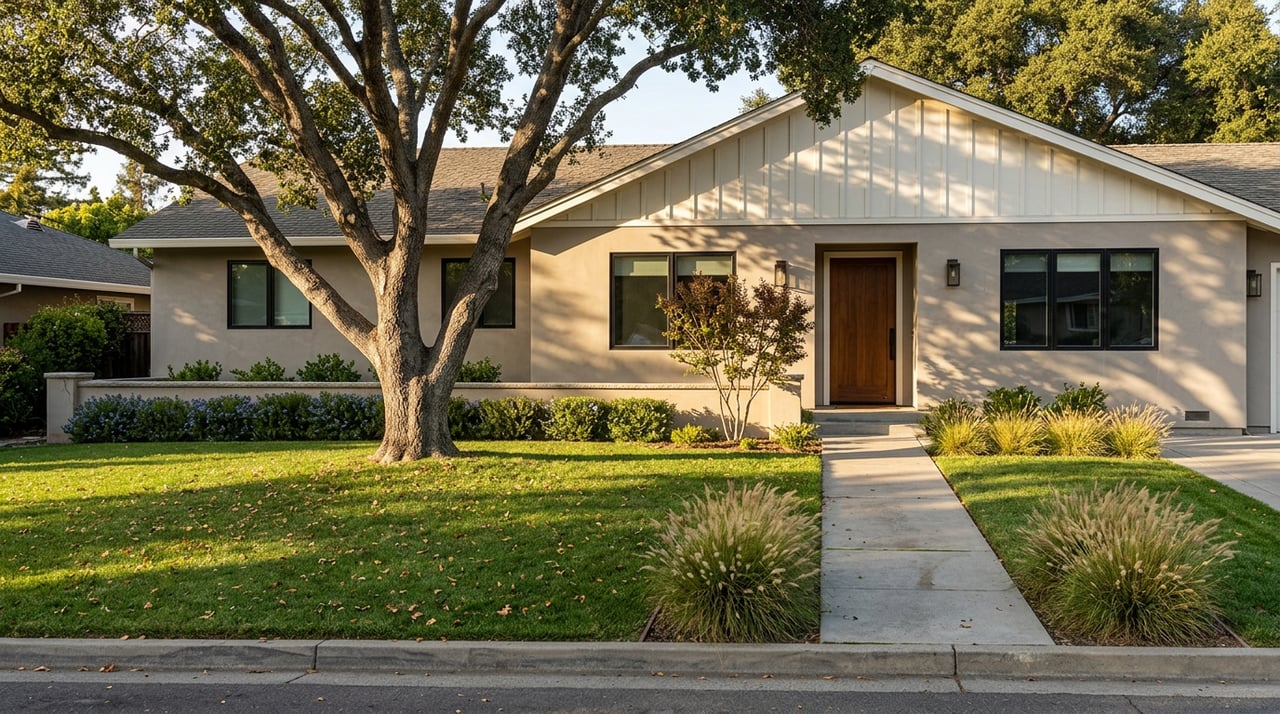
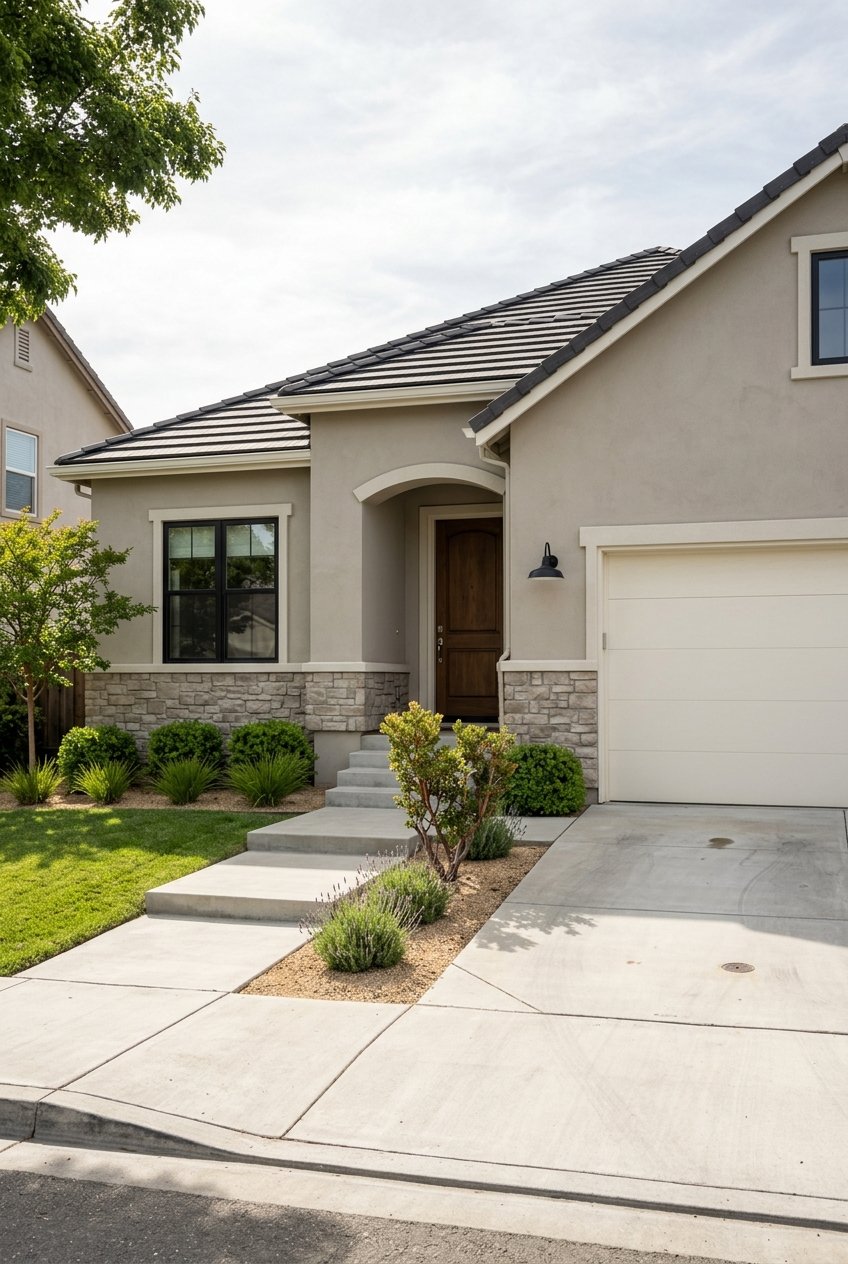
The Golden Triangle is one of Saratoga’s most recognizable central residential areas. The flat land bordered by Cox and Saratoga Avenues and Saratoga-Sunnyvale Road developed during the 1950s and 1960s with large ranch-style tract homes.
For many buyers, this area hits a useful middle ground. It tends to offer a more traditional suburban feel than the Village core while still feeling less secluded than the foothills.
The main appeal here is balance. You are in a central part of Saratoga, on flatter land, with an established residential pattern that many buyers find easy to picture themselves in.
It is also helpful to know that Saratoga’s zoning includes residential districts ranging from 10,000-square-foot to 40,000-square-foot lots, along with hillside residential and residential open-space designations elsewhere. Because of that, privacy and lot feel can change faster than you might expect, even within central Saratoga.
City map layers use labels such as Blue Hills, Brookview, Saratoga Woods, and Prides Crossing North for established residential pockets in Saratoga. These areas often read as classic suburban neighborhood options, especially for buyers who want established streets and nearby parks.
This part of town has a strong neighborhood-park pattern. That can shape daily life in a very practical way, whether you want room for walks, outdoor time, or nearby recreation.
Azule Park is a 4.3-acre neighborhood park on Goleta Avenue next to Blue Hills Elementary and private residences. Kevin Moran Park is another key reference point, with 10.3 acres that include play areas, a tennis court, bocce, a meditation garden, and a walking path.
If your ideal setting includes established streets with neighborhood park access, these areas deserve a close look. Compared with the Village, they generally feel more residential and less mixed-use.
As flat land became scarcer, development moved north and west into the foothills west of Saratoga-Sunnyvale Road. City map layers identify Parker Ranch, Saratoga Creek, and Congress Springs as distinct residential areas in this part of Saratoga.
For many buyers, this side of town stands out for a stronger connection to open space and trails. Based on the terrain, park network, and open-space pattern, this area generally offers the greatest sense of privacy and room, even though that description is an inference rather than a formal city label.
The recreation network is a major draw. Quarry Park is a 64-acre natural park about two miles west of downtown, and Saratoga’s Parks Division maintains roughly 189 acres of parks and trail network.
The Saratoga-to-the-Sea trail connects Quarry Park to Sanborn County Park, and Congress Springs Park adds nearly 10 acres of sports fields, play areas, and picnic facilities. If trail access, a more removed setting, and open-space surroundings matter most to you, this area often moves to the top of the list.
Saratoga neighborhoods are often easiest to compare by thinking about your routine, not just square footage. The city’s layout creates a few clear tradeoffs.
If you want easy access to dining and downtown amenities, Village-adjacent areas are the natural starting point. If you prefer a quieter setting with more open space, the foothill neighborhoods usually make more sense.
Neither option is better across the board. It depends on whether your ideal day includes stepping out to local activity or coming home to a more tucked-away setting.
Central Saratoga and the Golden Triangle often appeal to buyers who want flatter land and a more conventional suburban layout. Farther west, hillside and open-space designations create a different visual rhythm, with more varied terrain and a stronger sense of separation.
This is one of the most important factors to experience in person. A home’s setting can feel very different depending on grade, lot shape, and how close neighboring homes sit.
Saratoga is shaped by long-established neighborhoods rather than large new master-planned communities. Current city development patterns point more toward address-specific infill or redevelopment than one major new subdivision.
For you, that means the housing stock often feels mature and established. Newer housing may still be available, but it is more likely to appear in select redevelopment or infill opportunities rather than in one concentrated new-home district.
If you are still trying to sort through Saratoga, it helps to use a simple framework. Think about which version of Saratoga best matches your priorities.
The right fit usually becomes clearer once you decide what you want more of in daily life: convenience, centrality, parks, or seclusion. That is where a neighborhood search becomes much more focused.
If you want help comparing Saratoga areas in a practical, family-centered way, connect with Ana Pace for thoughtful guidance tailored to your goals.
Stay up to date on the latest real estate trends.
Get assistance in determining current property value, crafting a competitive offer, writing and negotiating a contract, and much more. Contact me today.
ANA PACE | CA DRE# 01940309
410 N SANTA CRUZ AVE LOS GATOS, CA 95030