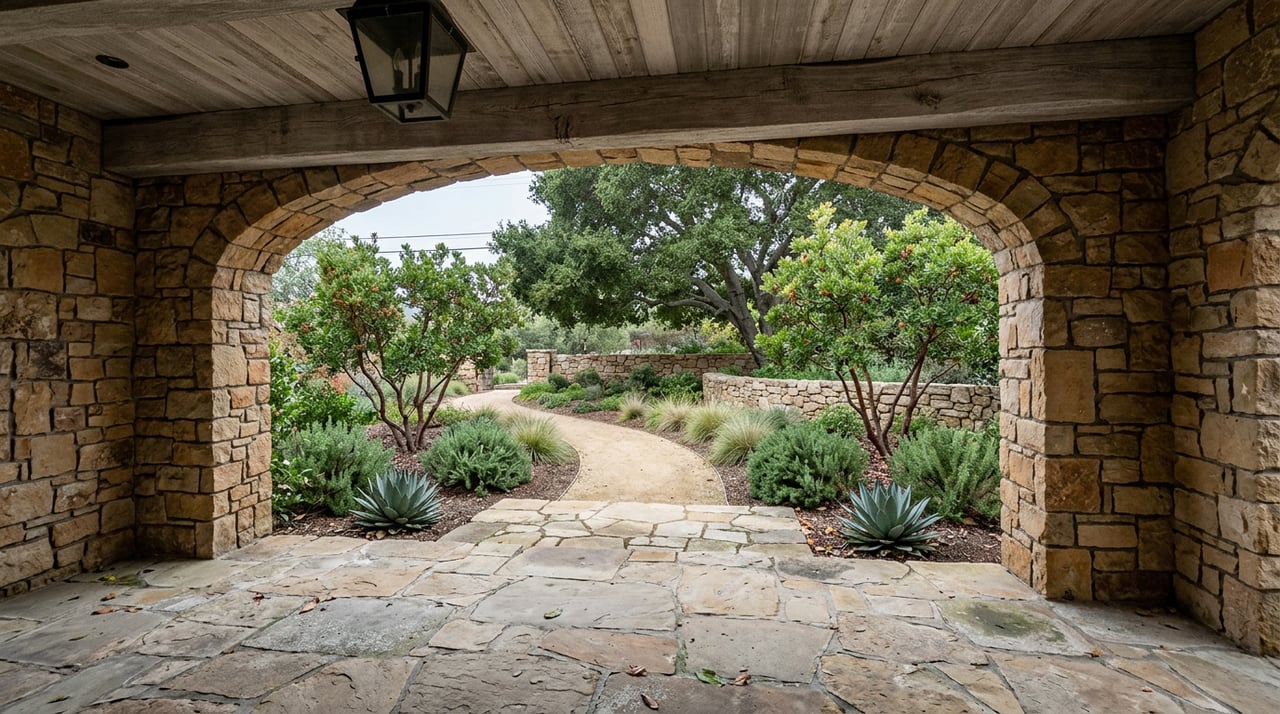
What Saratoga Hillside Fire Disclosure Rules Mean for Sellers
A homeowner on Mount Eden Road spends fifteen years clearing brush every spring, replacing the roof with Class A materials, and keeping the defensible space around the house exactly the way CAL FIRE recommends. When it comes time to sell, that owner assumes the hard part is behind them. The house is ready. What they don't expect is that the sale now depends on two separate clocks, one for paperwork and one for insurance, and in 2026 both of them run on tighter, more specific rules than they did even two years ago.
That's the piece of this market that doesn't show up in a listing photo. The fire hazard zone designation itself isn't what stalls a Saratoga hillside sale. It's the fact that the seller's disclosure obligations and the buyer's ability to insure the home are governed by different deadlines, different agencies, and different documents, and neither one waits for the other.
Saratoga's Wildland-Urban Interface boundary, the line that determines which properties fall under the city's strictest vegetation and defensible space rules, was recently redrawn after CAL FIRE updated its statewide Fire Hazard Severity Zone maps in 2025. The city's own guidance describes the WUI as covering the western hillsides and extending slightly beyond the state's mapped Very High zones to account for local terrain. A homeowner whose parcel sat just outside the WUI boundary a few years ago may find themselves inside it now, which changes what documentation a buyer's agent, lender, or insurer will ask to see.
The city also updated its tree removal ordinance this year. As of March 6, 2026, a Saratoga property owner can remove a tree within five feet of a home once defensible space has been created in that zone, and trees within 100 feet of a structure in the WUI can come down if they pose an increased wildfire risk that ordinary maintenance can't fix. A free tree removal permit is still required. The city is also running a rebate, up to $1,000 per residence, for removing dead trees within the WUI, administered through the Santa Clara County FireSafe Council on a first-come, first-served basis until funding runs out.
None of this is abstract for the streets where it actually applies. The western foothill neighborhoods along Congress Springs Road, Pierce Road, Bohlman Road, and Mount Eden Road sit at elevations where the 2020 CZU Lightning Complex fire, which burned roughly 86,500 acres in the Santa Cruz Mountains, was visible from the ridge. Some of these roads are single-lane, which means evacuation routes and fire truck access share the same narrow path. That geography is precisely why the WUI and tree ordinance changes matter more here than in the flatter parts of town.
California's Defensible Space Disclosure requirement, established under Civil Code Section 1102.19, is the piece most sellers have already heard about. It requires anyone selling a home in a High or Very High Fire Hazard Severity Zone to give the buyer documentation showing the property complies with the state's defensible space law or the local vegetation management ordinance where one exists.
The mechanics matter more than the headline. Three things have to happen:
The one-year workaround sounds like a safety valve, and it is one, but it's also where transactions slow down. A buyer's lender may not treat an unresolved compliance document as immaterial, and a buyer who's already nervous about wildfire exposure won't feel better signing an agreement to chase down paperwork after they've moved in. The seller who orders a defensible space inspection the week they list, rather than the week an offer comes in, is the seller who keeps this from becoming a negotiating point.
The City of Glendale notes that AB 38 first took effect in 2021; this is the part that has changed the most since then, and it's the part most sellers underestimate. Getting the disclosure paperwork in order proves the property meets defensible space law. It does not guarantee a buyer can insure the home, and increasingly, that's the harder problem.
The California FAIR Plan, the state's insurer of last resort, reported roughly 668,609 policies in force heading into 2026, up from about 154,000 in 2019. That growth reflects private carriers pulling back from wildfire-exposed zip codes across the state, Saratoga's hillside neighborhoods included. A FAIR Plan policy alone typically covers fire, smoke, and explosion, and most lenders require a separate policy layered on top to cover liability, theft, and water damage before they'll fund a loan.
According to FireRoofs, Governor Newsom signed SB 429 into law in October 2025, effective January 1, 2026, directing the state to build the nation's first public wildfire catastrophe model so homeowners and regulators can see the risk scoring insurers have historically kept private. The model itself is still in development, so sellers are operating in a market where insurance rules continue to shift. Meanwhile the state's proposed Zone 0 rule, remains in rulemaking with no confirmed statewide enforcement date. Insurers are already asking about it informally during underwriting, even though it isn't yet the law.
One more piece of paperwork surprises sellers who've added square footage over the years. Saratoga requires geotechnical clearance for any proposed basement or basement addition in areas with known geologic hazards, which the city specifically identifies as its hillsides for landslide potential and areas near creeks for liquefaction risk. That clearance carries an $850 flat engineering fee plus a $5,000 deposit for the city's geotechnical consultant on the first lot, with a $500 deposit for each additional lot under the same review. If a seller's home includes a basement level added or expanded without that clearance on file, it's worth confirming before a buyer's inspector finds the gap first.
For a hillside seller thinking about the market between now and the end of the year, the sequence that avoids the most friction looks like this. Confirm current WUI status and fire hazard zone designation for the specific parcel, since the 2026 boundary changes may have shifted it. Order a defensible space inspection early enough to have documentation in hand before the first showing, not after an offer arrives. Pull any final inspection reports for past construction, especially basement work, so geotechnical clearance questions don't surface mid-escrow. Have a candid conversation with an insurance broker about what a buyer is likely to face insuring the specific address, not the neighborhood in general, since brush scores can differ from one parcel to the next on the same street.
None of this changes what the home is worth. It changes how smoothly the sale gets there.
Does every Saratoga home need a Defensible Space Disclosure? Only homes located within a High or Very High Fire Hazard Severity Zone, whether in a State Responsibility Area or a Local Responsibility Area with its own vegetation management ordinance. A property's exact zone status can be checked directly on CAL FIRE's Fire Hazard Severity Zone viewer.
Can a seller still remove trees near the house under the old rules? No. Saratoga's tree ordinance changed as of March 6, 2026. Removal within five feet of a home now requires establishing defensible space in that zone first, and a free permit is still required for any tree removal in the city.
If the compliance documentation isn't ready, does that kill the sale? Not automatically. State law allows buyer and seller to sign a written agreement giving the buyer up to a year after closing to obtain the documentation themselves. In practice, this can still slow negotiations if a lender or a cautious buyer treats it as unresolved risk rather than a formality.
Selling a hillside home in Saratoga in 2026 means managing two timelines that don't run on the same schedule, the disclosure paperwork the seller controls and the insurance placement the buyer's lender requires. Getting both moving before a home hits the market, rather than after an offer comes in, is the difference between a clean escrow and a stalled one. If you're weighing a sale on Bohlman, Mount Eden, Congress Springs, Pierce, or anywhere else in Saratoga's foothills, Ana Pace can walk through what your specific parcel's zone status and documentation trail look like before you list. Let's Connect.
This article is general information, not legal, tax or financial advice. Consult a qualified professional about your situation.
Stay up to date on the latest real estate trends.
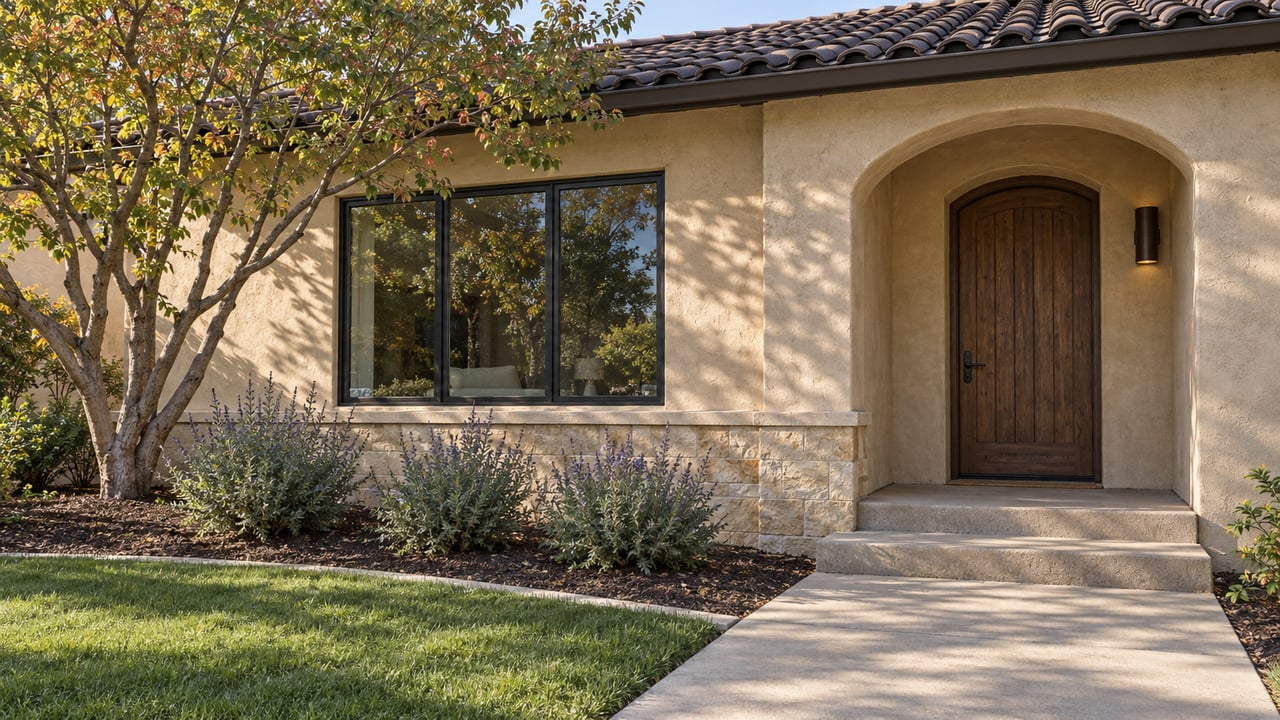
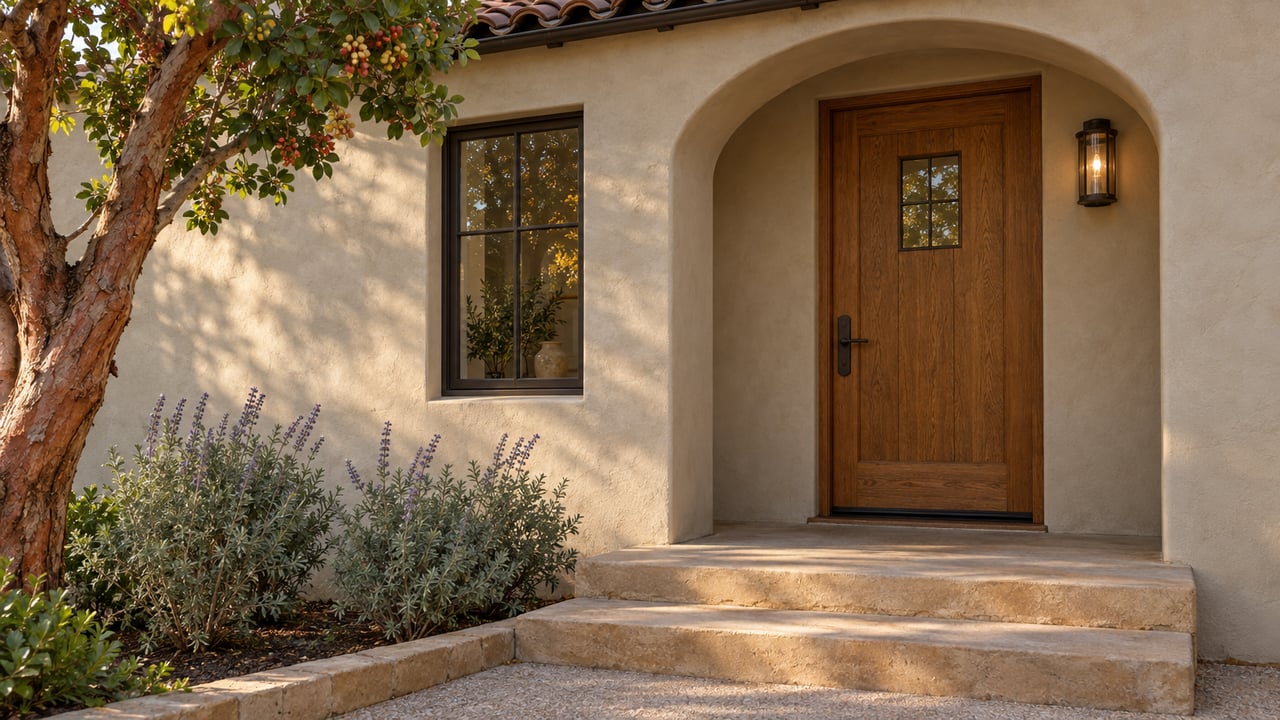
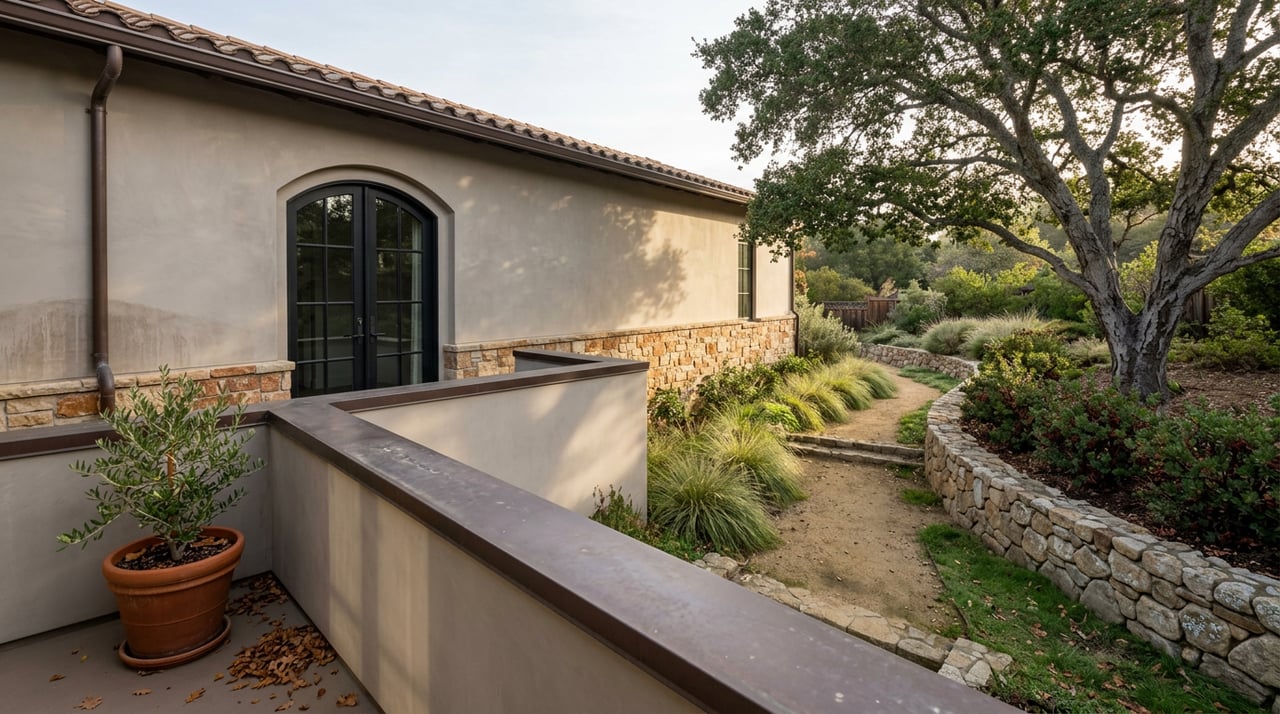

Get assistance in determining current property value, crafting a competitive offer, writing and negotiating a contract, and much more. Contact me today.

ANA PACE | CA DRE# 01940309
410 N SANTA CRUZ AVE LOS GATOS, CA 95030